PSA Grading Guide for Japanese Pokemon Cards (2026)
Step-by-step PSA grading guide for Japanese Pokemon cards: when to grade, PSA 10 vs 9 premiums, Japan submission options, and gem rate expectations.
Contents (6)
Prefer a card that is already graded?
Compare PSA 10 and PSA 9 Japanese Pokemon cards in our shop.
Check each product page for current price and availability. Shipping is calculated at checkout.
Summary: Japanese Pokemon cards grade PSA 10 more often than English prints due to tighter quality control. Grade when the expected PSA 10 price covers the PSA Japan fee (from ¥9,980 per card as of October 2026, plus insurance and return shipping) and still leaves 30%+ profit versus selling raw.
1. When Should You Grade?
Grading makes sense when:
- The PSA 10 comp is at least 2.5× the raw near-mint price.
- The card is a chase rare (SAR, MUR, promo) with liquid eBay sold history.
- Centering and surface look flawless under magnification.
Skip grading for bulk commons and heavily played cards — fees exceed upside. Compare grades on PSA 10 listings.
2. PSA 10 vs PSA 9 vs Raw
| Grade | Typical premium vs raw | Best for |
|---|---|---|
| PSA 10 | 3–10× | Chase art, promos, low-pop cards |
| PSA 9 | 1.2–1.5× | High-value cards with minor flaws |
| Raw (A/NM) | 1× | Players, bulk, fast flips |
On modern Japanese sets (2020+), PSA 10 rates often reach 60–80% for factory-fresh pulls — higher than English counterparts.
3. Submission Process from Japan
- Pre-screen — Sleeve, inspect centering (60/40 rule), holo scratches, and corners.
- Choose tier — Standard (¥9,980/card, 100 business days, declared value up to ¥150,000), Priority (¥11,980, 80 business days, up to ¥250,000) or Express (¥29,980, 25 business days, up to ¥400,000). Value tiers are temporarily suspended. Prices include tax and were checked in October 2026 — confirm on PSA Japan before submitting.
- Declare value — Must match the expected PSA 10 sale price; it decides which tiers you can use and the insurance and return shipping fee.
- Ship to PSA Japan — Use rigid top loaders + bubble mailer inside a box.
- Encapsulation — Turnaround is counted from PSA Japan's arrival notice: about 100 business days (roughly 20 weeks) for Standard, 25 business days for Express. Track the cert number when cards return.
4. Japanese Print Quality Advantage
Japanese manufacturing uses consistent holo patterns and sharper corners on modern sets. Collectors targeting PSA 10 populations for investment often source Japanese raw copies for submission.
Before buying raw inventory, check sold prices for both raw and graded copies on our market chart.
5. True Cost Checklist
- PSA fee (¥9,980–¥29,980 per card for Standard to Express)
- Insurance and return shipping (set by card count and total declared value) + domestic shipping to PSA
- Waiting time — roughly 4–5 months on Standard or Priority, while market prices can move
- Failed grade opportunity cost (PSA 9 instead of 10)
- eBay/Shopee fees on eventual sale (~13–17%)
Read our beginner PSA overview for pricing context.
6. FAQ
- Q: Does PSA grade Japanese and English cards the same way?
- A: Yes — same 1–10 scale and centering standards apply.
- Q: Can MONOZOFF sell my graded cards?
- A: We list PSA-graded inventory with verified cert photos. See FAQ for consignment inquiries.
More guides
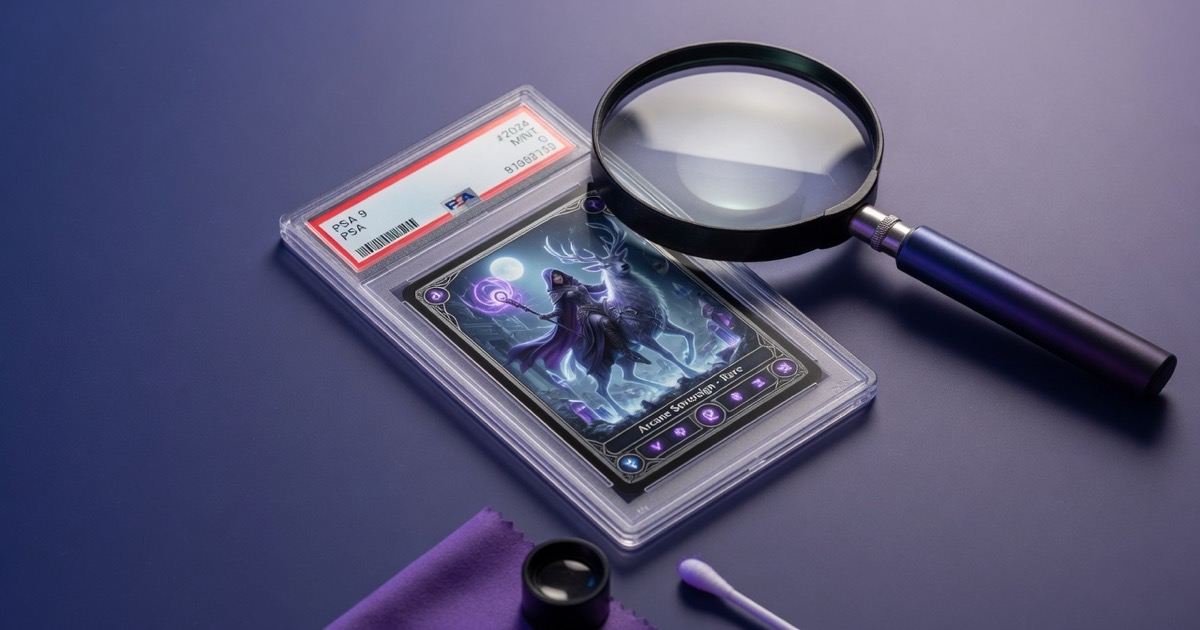
Japanese Pokemon Card Price Guide 2026
How to read Japanese Pokemon card prices in 2026: Snkrdunk sold data, Mercari asks, eBay USD comps, and when each source is trustworthy.
Battle Partners Set: Complete Card List & Prices (SV9)
Japanese Battle Partners (SV9) set guide: chase cards, price tiers, and where to buy. Includes Lillie's Ribombee AR and top-value pulls for 2026.
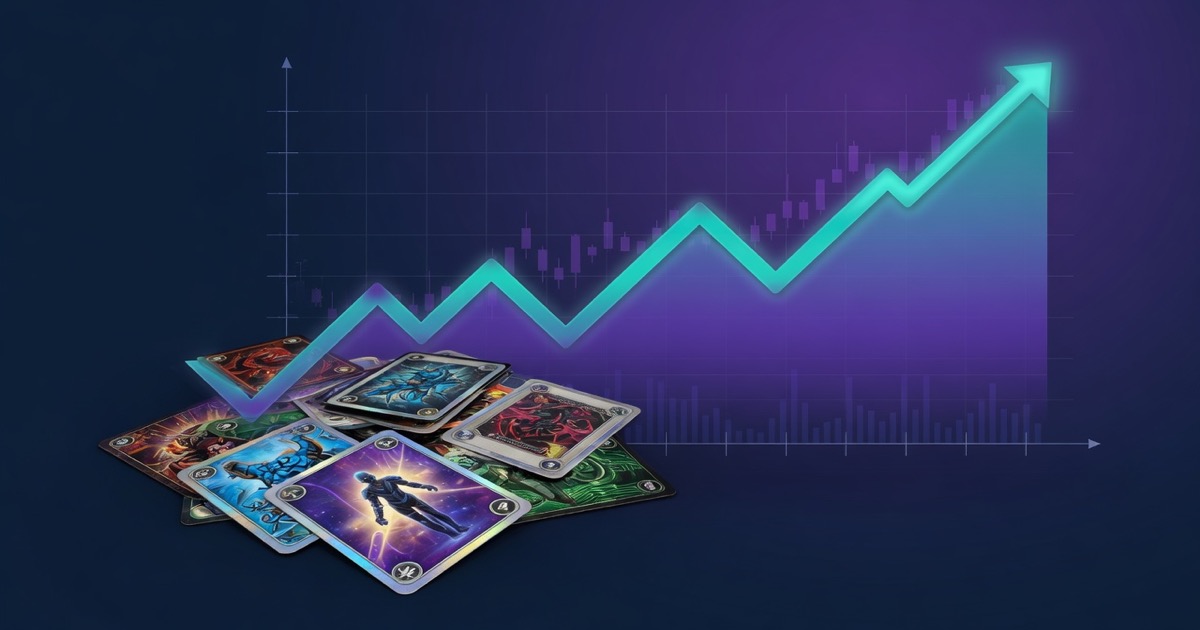
Pokemon Card Arbitrage: Japan to Singapore (2026 Guide)
How to profit from Japanese Pokemon card price gaps between Japan and Singapore. Compare Snkrdunk, Mercari, Shopee, and eBay fees with real margin math.